The Onyx
Square
The brief and context
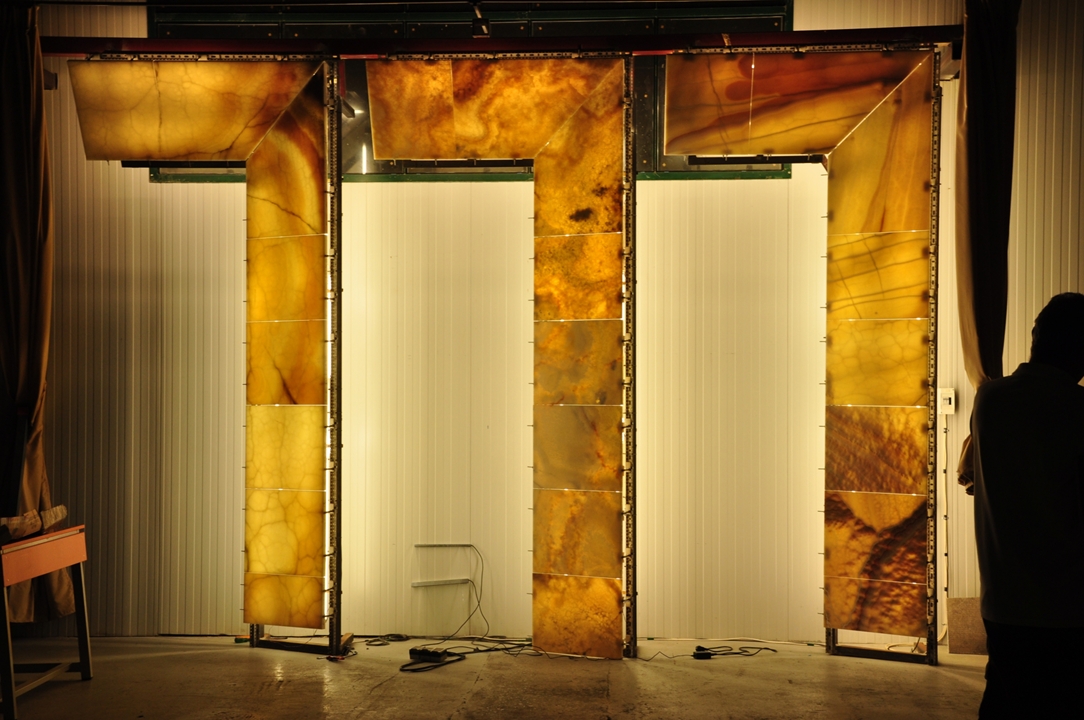
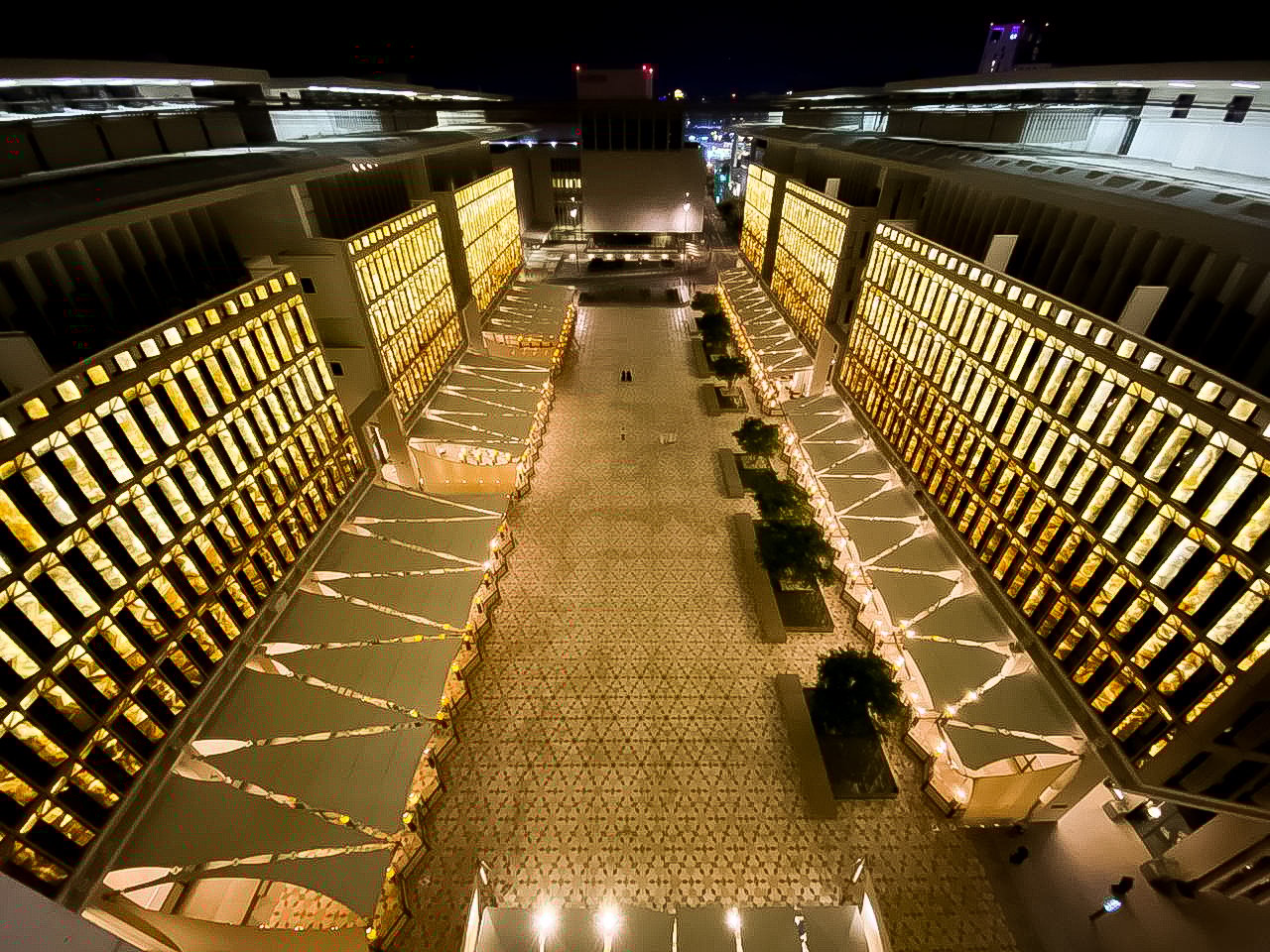
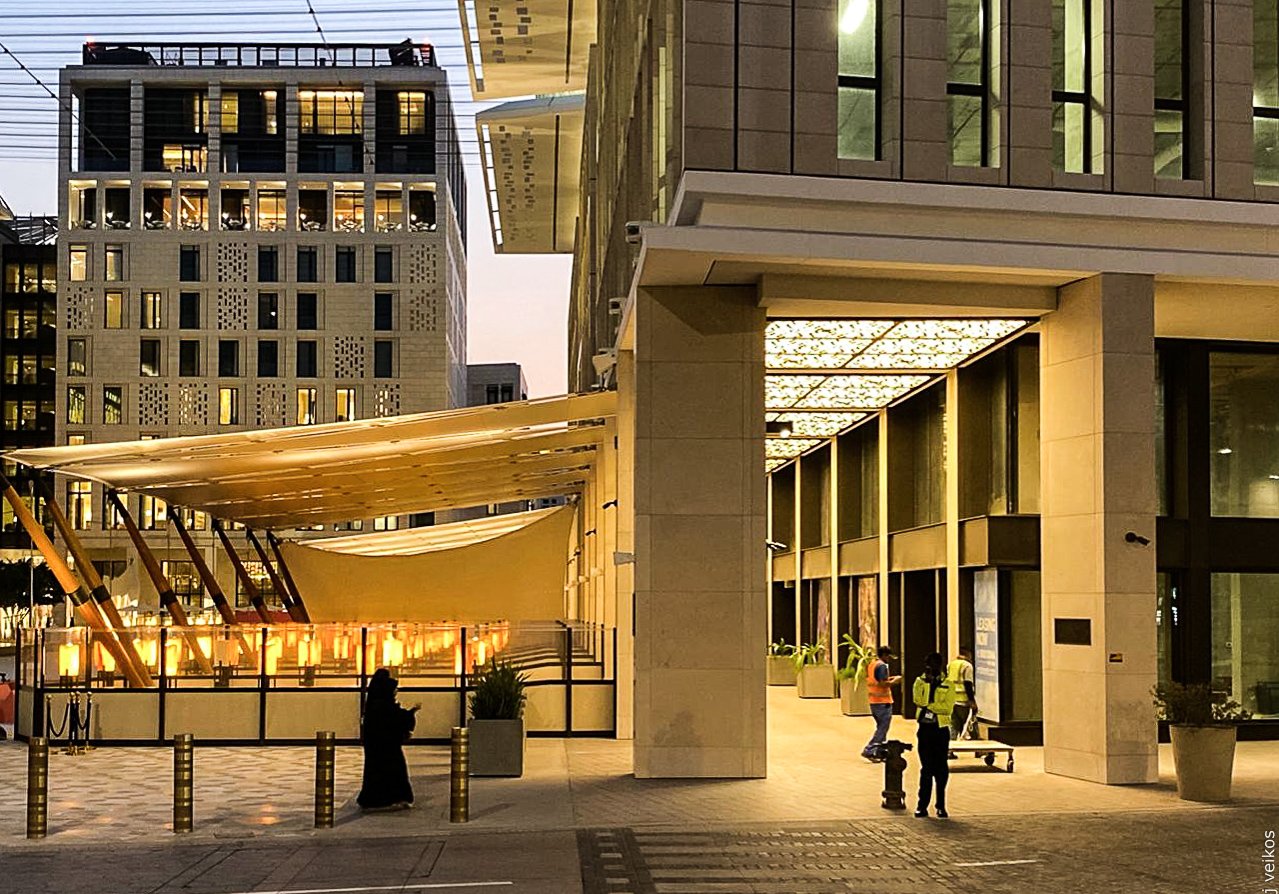
The Onyx Square was conceived as the central element of a major urban development, designed to create a luminous architectural identity through the use of translucent stone façades.
The design intent required the use of onyx as an exterior cladding material—an unconventional and technically demanding choice due to its inherent fragility, variability, and unpredictability. Unlike conventional façade materials, onyx introduces both aesthetic richness and significant engineering challenges.
The project was inherently global in nature. Design was developed in London, engineering inputs were coordinated internationally, raw material was quarried in Greece, processed across multiple European facilities, and ultimately assembled and installed in the Middle East.
This fragmented supply chain introduced a high level of complexity, requiring precise coordination across multiple stakeholders including designers, fabricators, laminators, and installers. Each stage introduced new variables affecting cost, schedule, and quality.
At the core of the project was the need to protect design intent while navigating technical uncertainty. This required early-stage integration between design, material sourcing, fabrication methods, and installation strategy—moving away from traditional linear workflows toward a more collaborative and reciprocal approach.
Stone system design
Façade engineering and material selection
From specification to site completion
We specified the stone, designed the fixing details, and managed the installation process to ensure precision and durability.
Technical challenges solved
Three critical problems addressed in the façade design
Material Instability & Performance
Stabilizing structurally inconsistent onyx through resin infusion, lamination with glass, and controlled fabrication processes.
Extreme Design Complexity & Variation Control
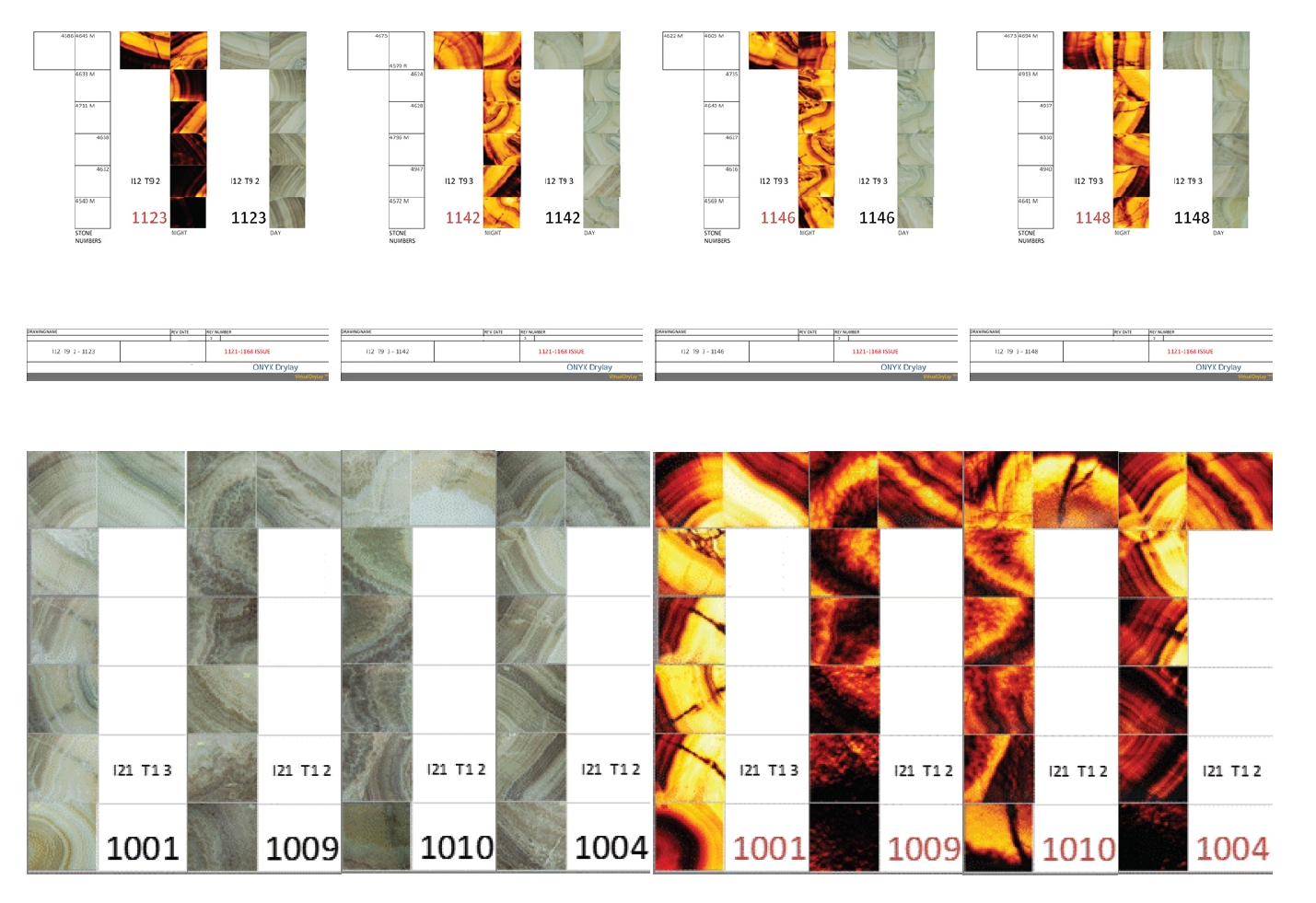
Managing thousands of unique stone pieces with varying cuts, colors, orientations, and positions across multiple buildings.
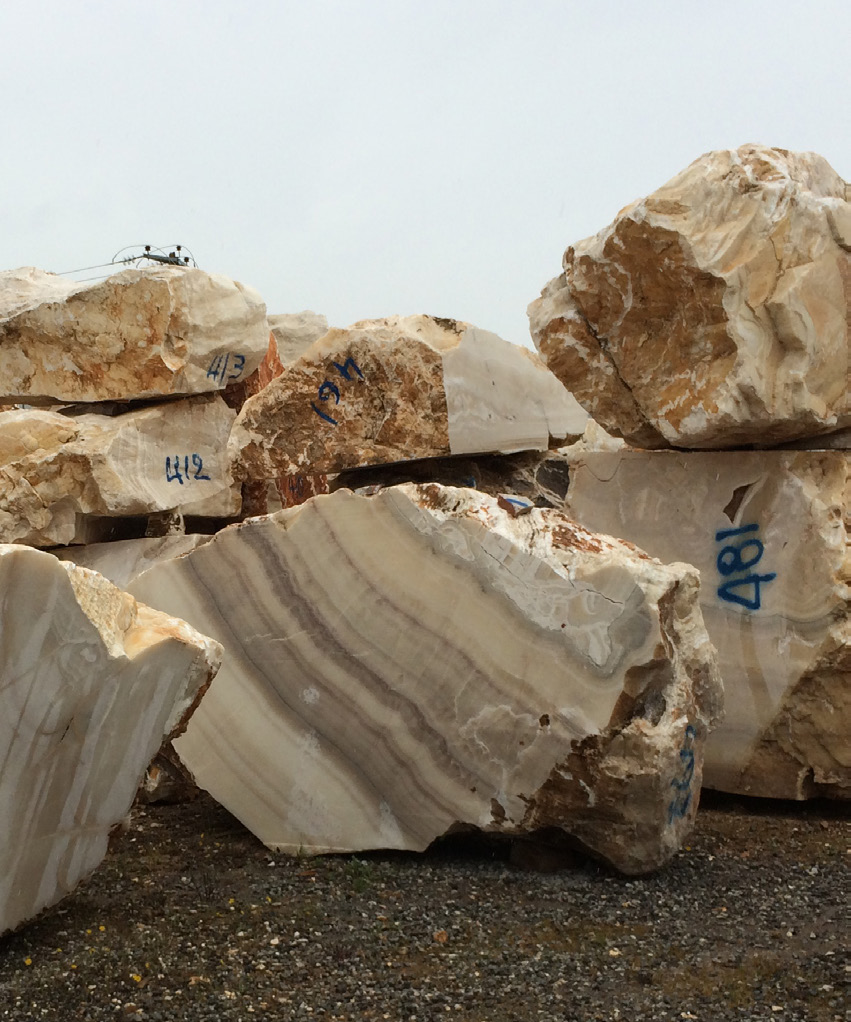
Logistics, Tracking & Risk Management
Developing systems to track each stone from quarry to final installation, reducing waste, errors, and program risk.
Project gallery
Stone and façade details from site to completion
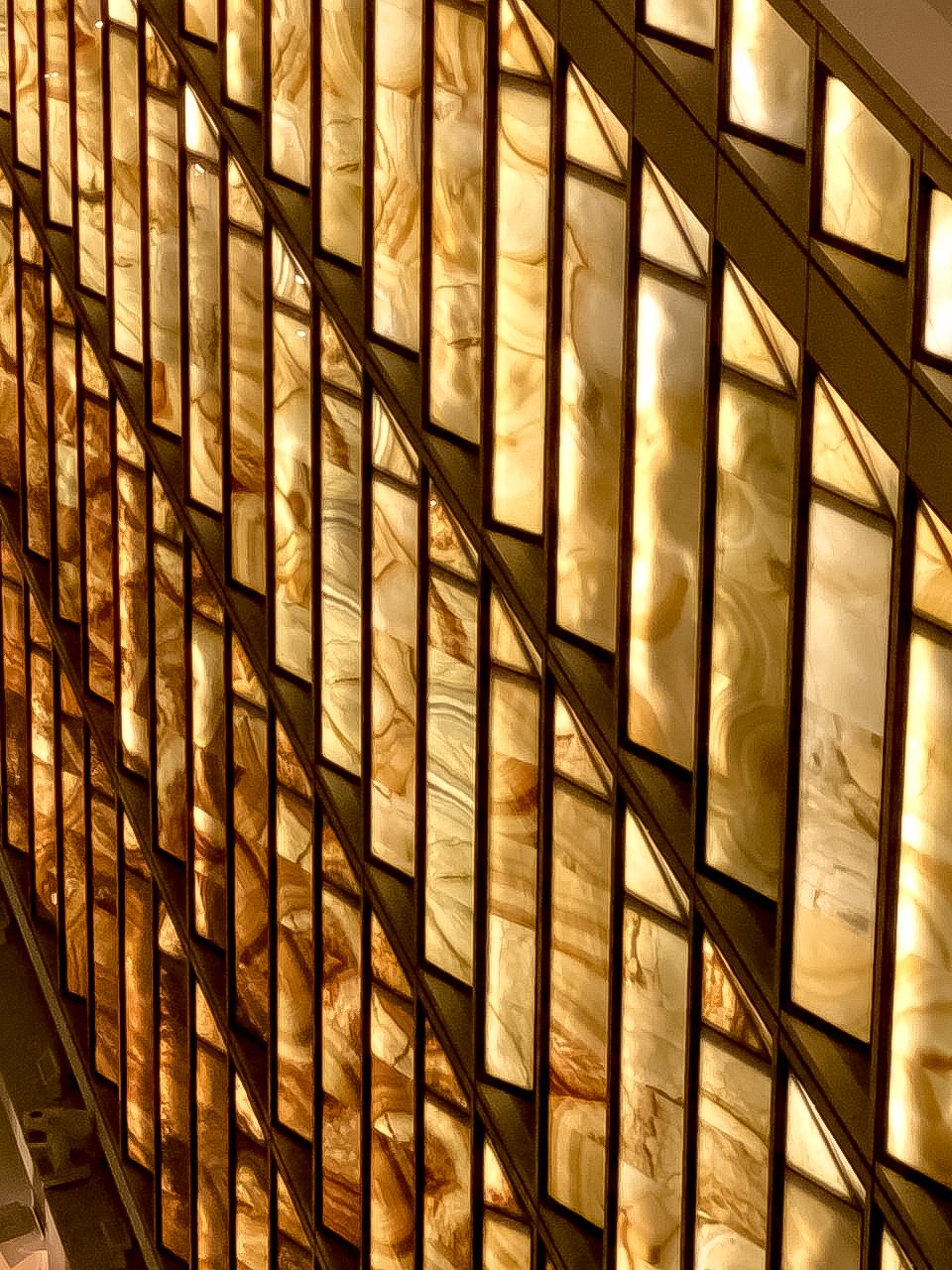
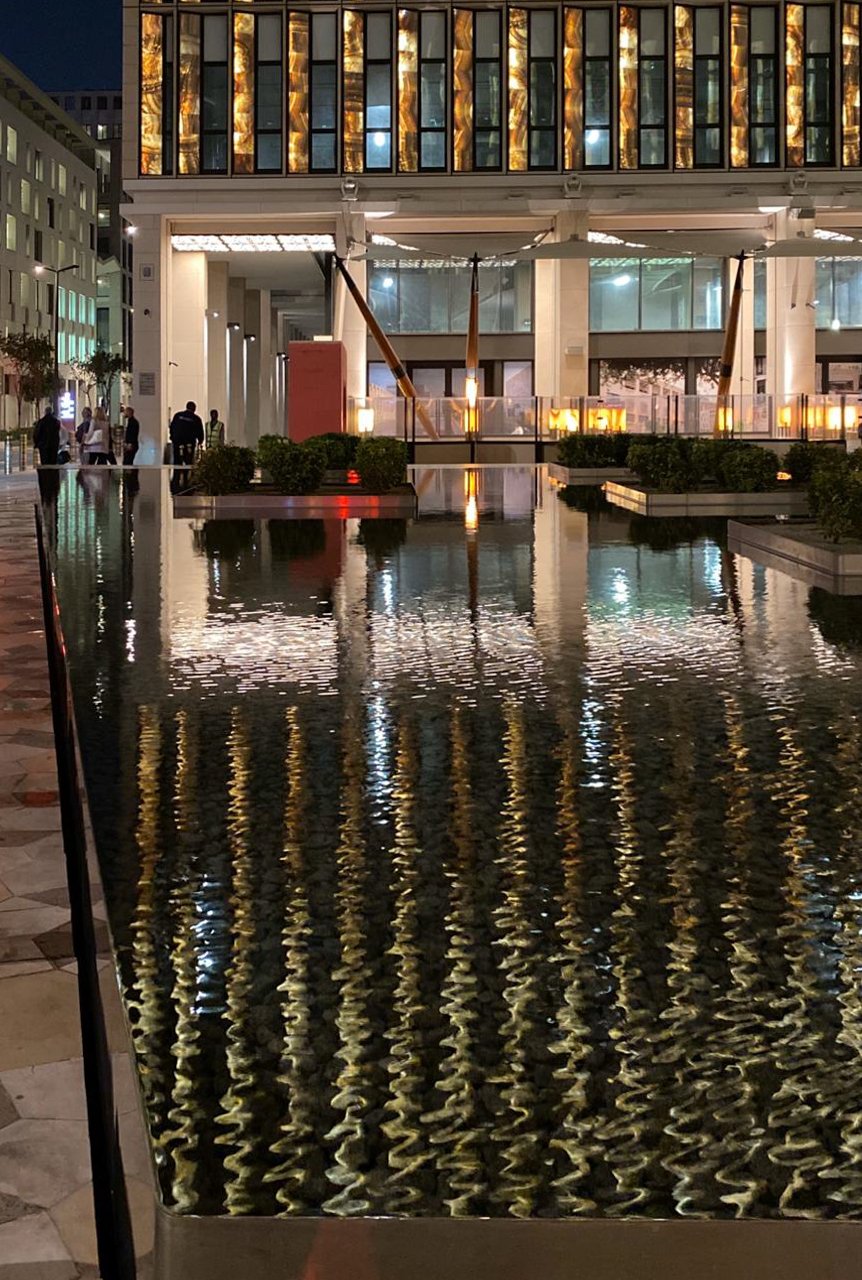
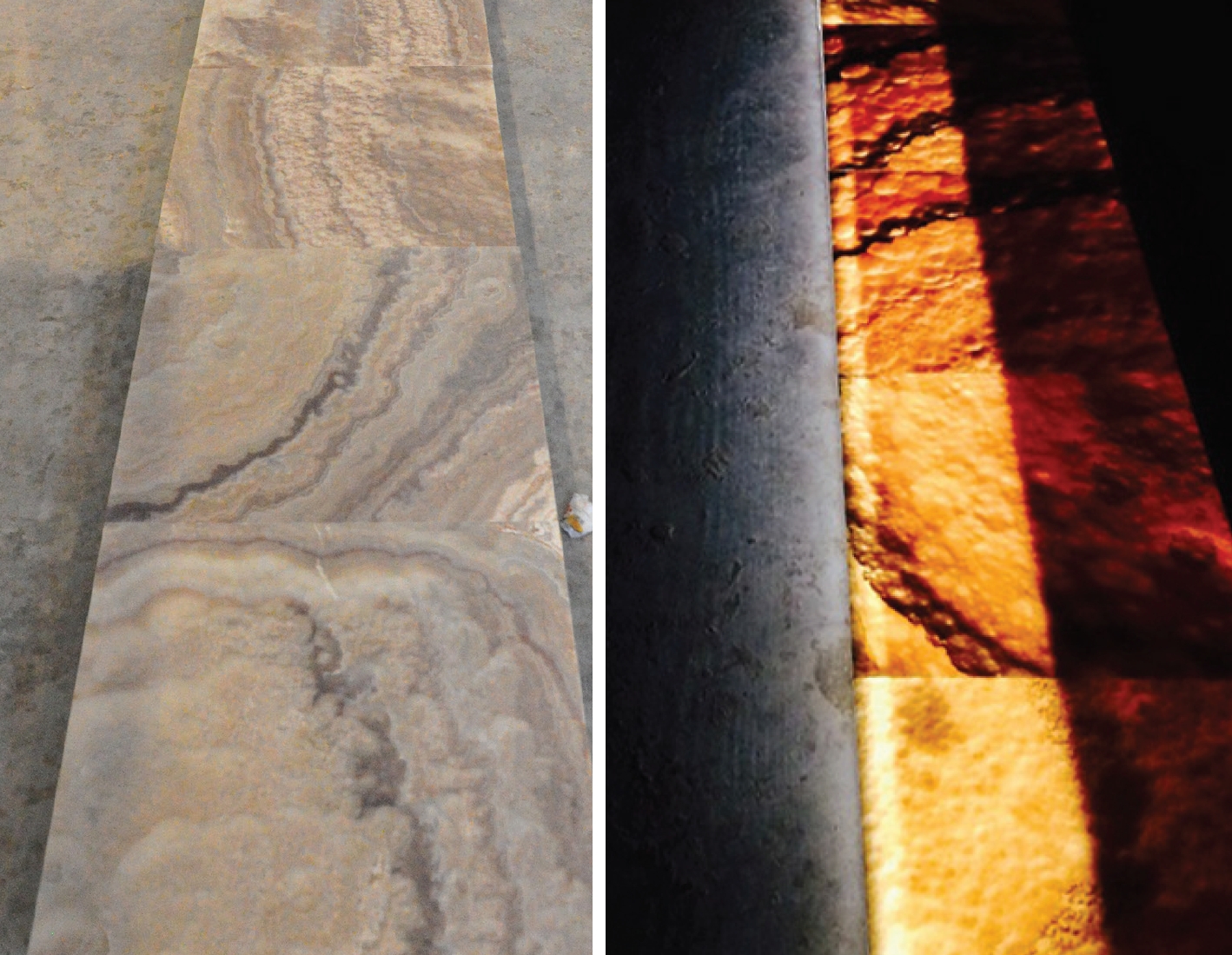
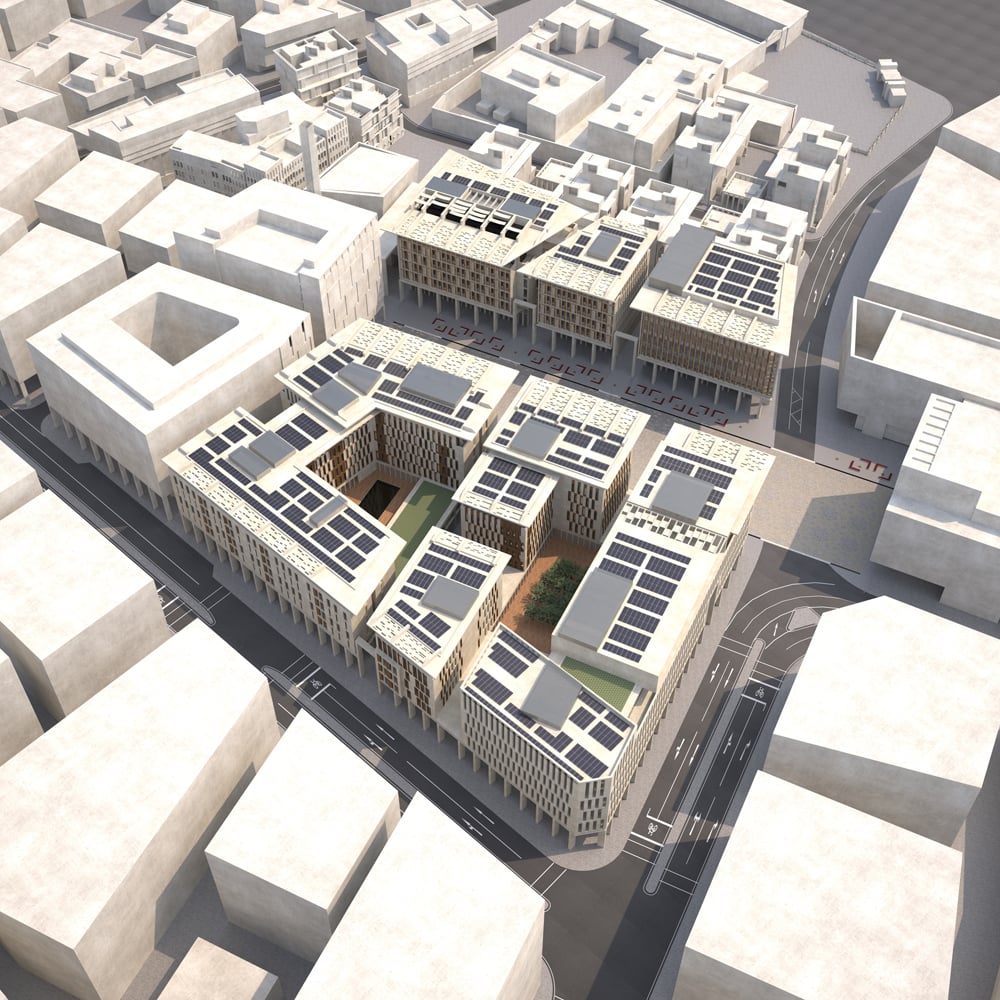
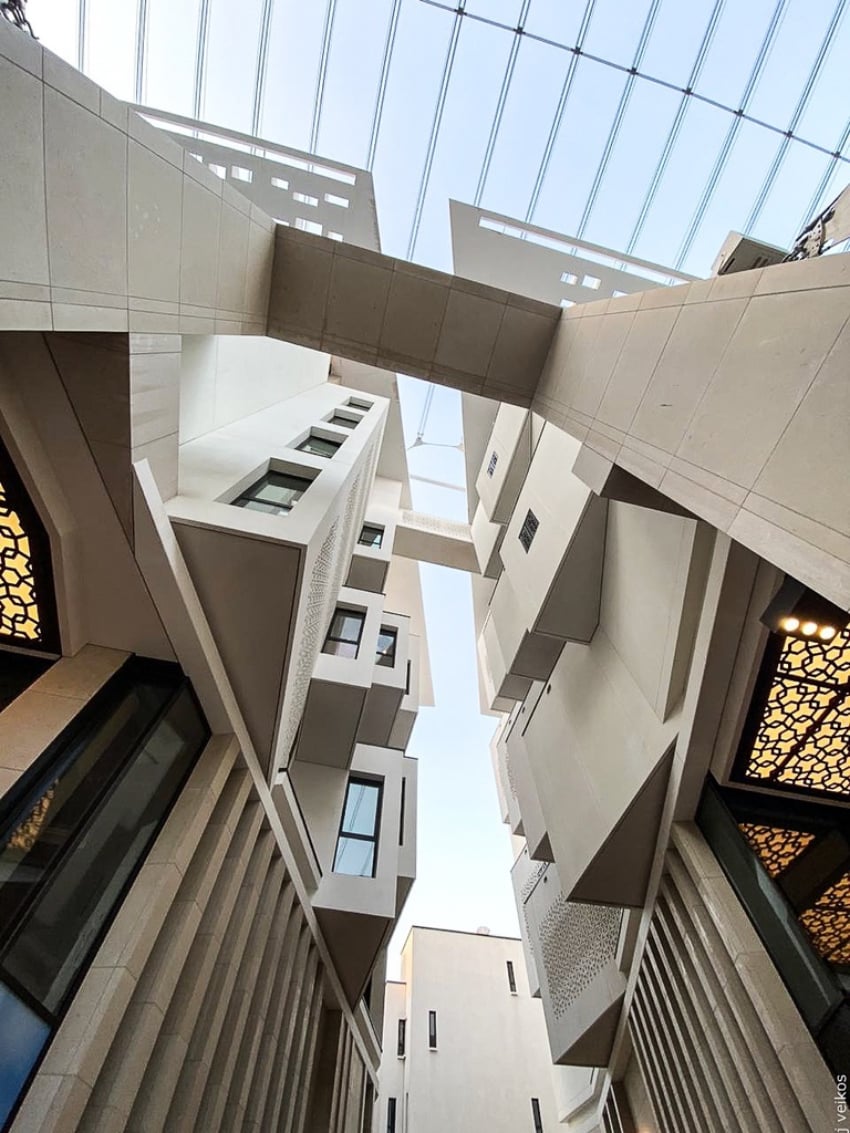
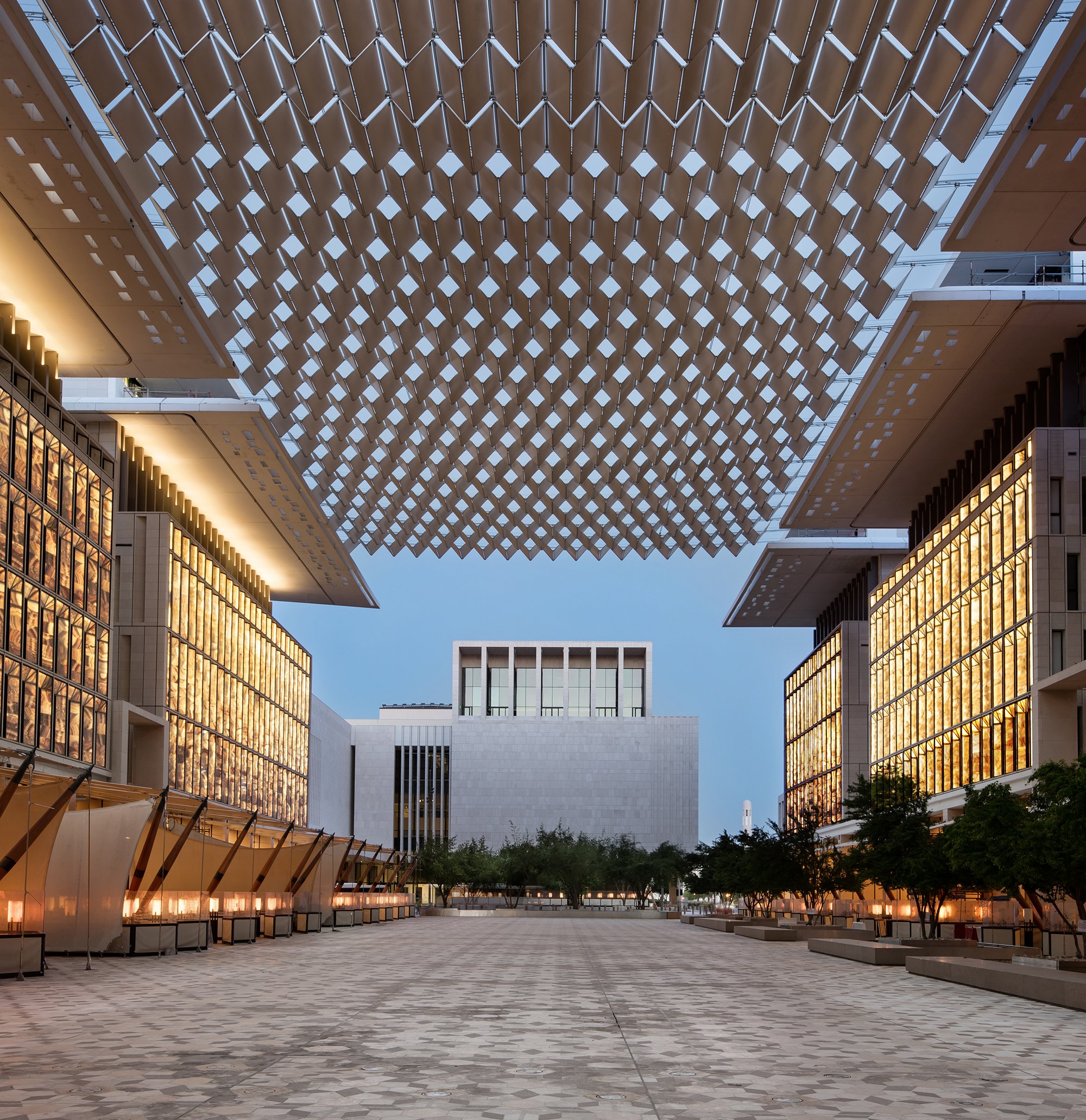
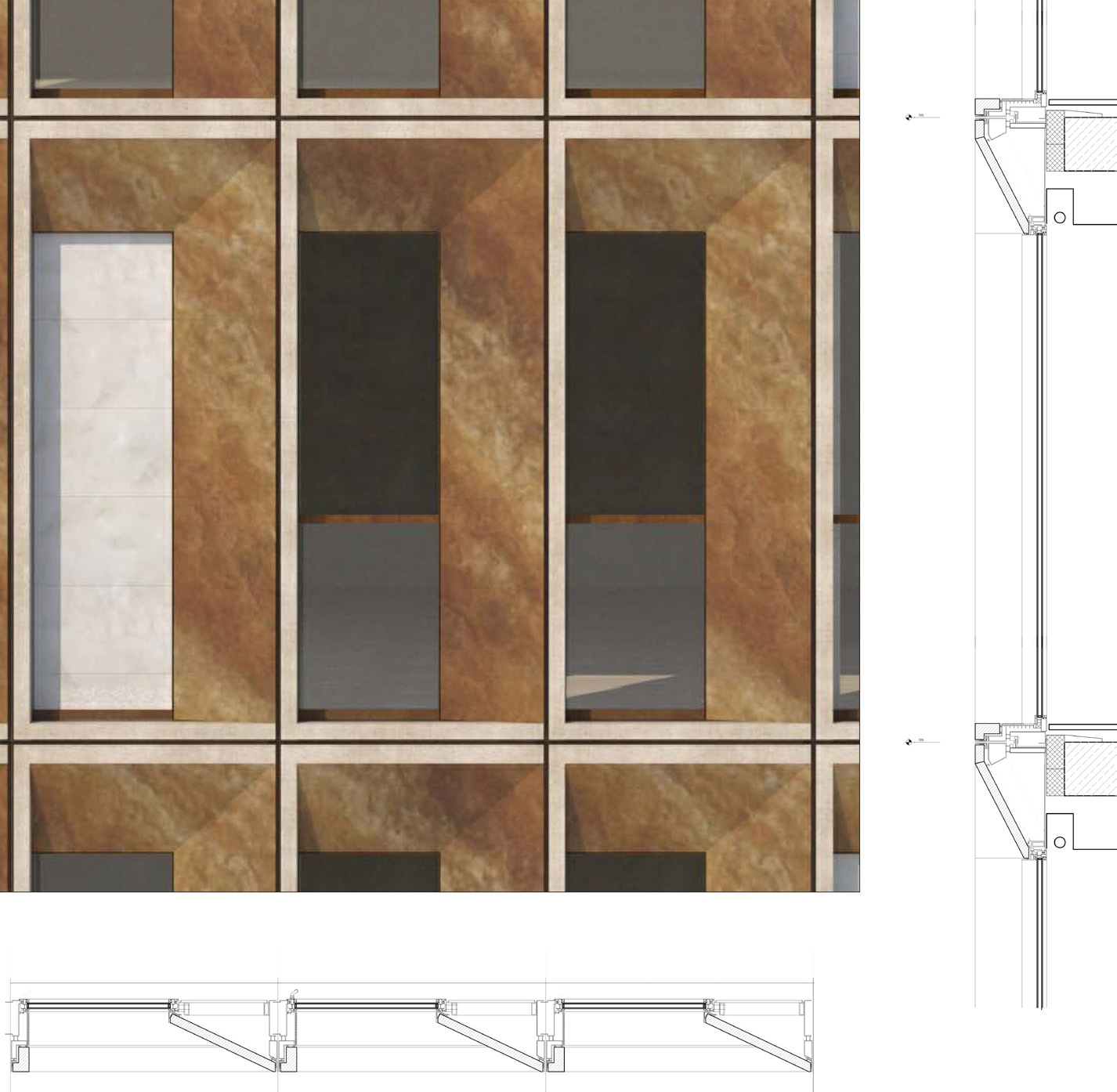

Project phases from design to completion
Concept & Material Strategy
Early engagement to validate the feasibility of onyx as a façade material, including testing, sourcing strategy, and alignment with design intent. Iterative development through physical and digital mock-ups, including backlighting tests, material calibration, and performance validation.
Engineering & System Development
Creation of composite stone-glass systems, integration of LED backlighting, and development of fixing and support strategies.
Digital Tracking & Coordination
Implementation of a custom database and visual interface to map each stone’s position, orientation, and characteristics across the façade.
Fabrication & Installation
Multi-stage fabrication across international facilities, supported by photographic tracking, dimensional calibration, and continuous verification.
Sequenced installation of panels with precise alignment to achieve the intended visual gradient and architectural expression.
Questions
Common questions about this project's approach and execution
We examined samples in natural light across seasons. The stone needed to weather predictably in London's climate while meeting the architect's aesthetic vision. Three quarries were evaluated before selection.
Onyx is structurally unstable, highly variable in composition, and prone to breakage during processing. Its unpredictability makes it difficult to standardize without advanced engineering solutions.
Through a combination of material selection protocols, lamination techniques, and digital tracking systems that controlled placement, orientation, and visual continuity.
The integration of design, fabrication, and logistics into a single coordinated workflow—allowing real-time decision-making and reducing risk across the entire supply chain.
The development of a “virtual dry-lay” system that allowed designers to visualize and adjust each stone before fabrication, eliminating traditional limitations and significantly reducing waste.
Need more information?
Reach out to discuss this project in detail
“From material uncertainty to architectural precision.”